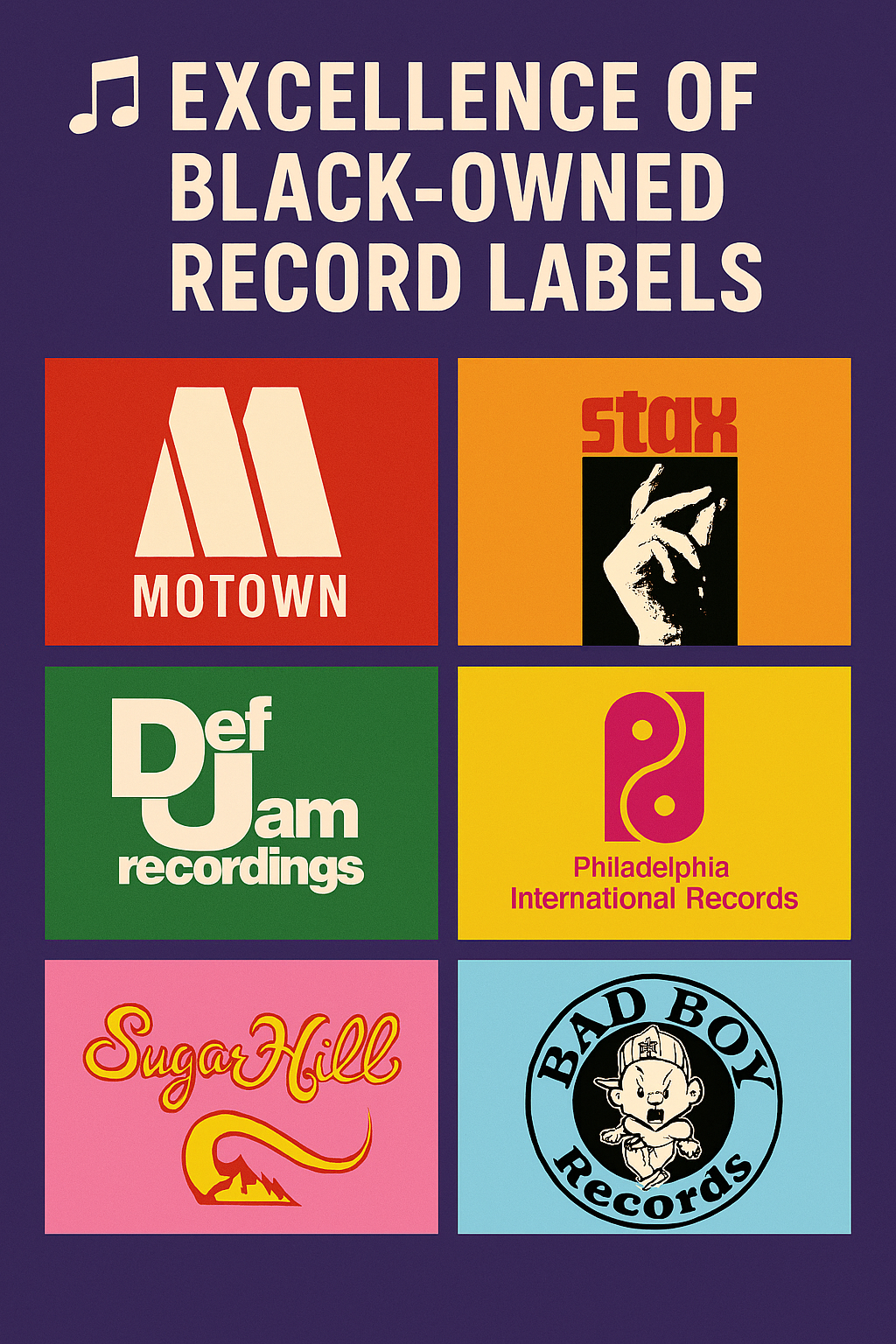
Black-owned record labels are more than just cultural institutions. They act as economic drivers, community pillars, and tools for social justice. While corporate America and the Western world pull back from diversity efforts, these labels continue to expand. Black-owned record labels serve as platforms for underrepresented voices. They help reshape the unequal power structure in the music industry. Data show that minority ownership not only impacts how forgiving consumers are during product failures but also fosters loyalty and keeps the market strong. Supporting Black-owned labels isn’t just about fairness; it’s an investment in innovation, closing the racial wealth gap, and preserving the community legacy of Black music spaces, which have historically provided sanctuary, support, and self-determination for underrepresented voices.
NileFlow Records Official Releases
Music4GreatMinds Music Series
Project Overview
The Music4GreatMinds Music Series is an ambitious and diverse collection of 107 tracks, showcasing a wide range of musical genres and styles. This series is divided into four volumes
Vol.1 & 2: Hip-Hop
Vol.3: Pop-RnB
Vol.4: Eclectic Choral Gospels
Each volume is crafted to inspire and resonate with listeners, reflecting a deep commitment to musical excellence and innovation.
Key Highlights
Genre Diversity: From the rhythmic beats of Hip-Hop to the soulful melodies of Pop-RnB and the harmonious blend of Eclectic Choral Gospels.
Creative Vision: Aimed at reaching and uplifting great minds through the power of music.
Collection: A total of 107 tracks, offering a rich and varied listening experience.
Coronation Day Album Series (2024)
Project Overview
The Coronation Day Album Series is a unique and versatile collection designed for both personal enjoyment and professional use. This series is divided into two distinct albums:
Coronation Day Hip-Hop: Featuring 30 instrumental tracks with dynamic and engaging beats.
Coronation Day Acoustic: Comprising 30 instrumental tracks with a more mellow and acoustic vibe.
These albums are crafted to serve as a foundation for new creative projects by artists and companies.
Key Highlights
Instrumental Focus: Each album offers 30 instrumental tracks, perfect for use in various creative and commercial projects.
Versatility: Suitable for a wide range of applications, from background scores to promotional content.
Currently not available on Spotify, Amazon Music, YouTube Music, Apple Music and other streaming platforms.
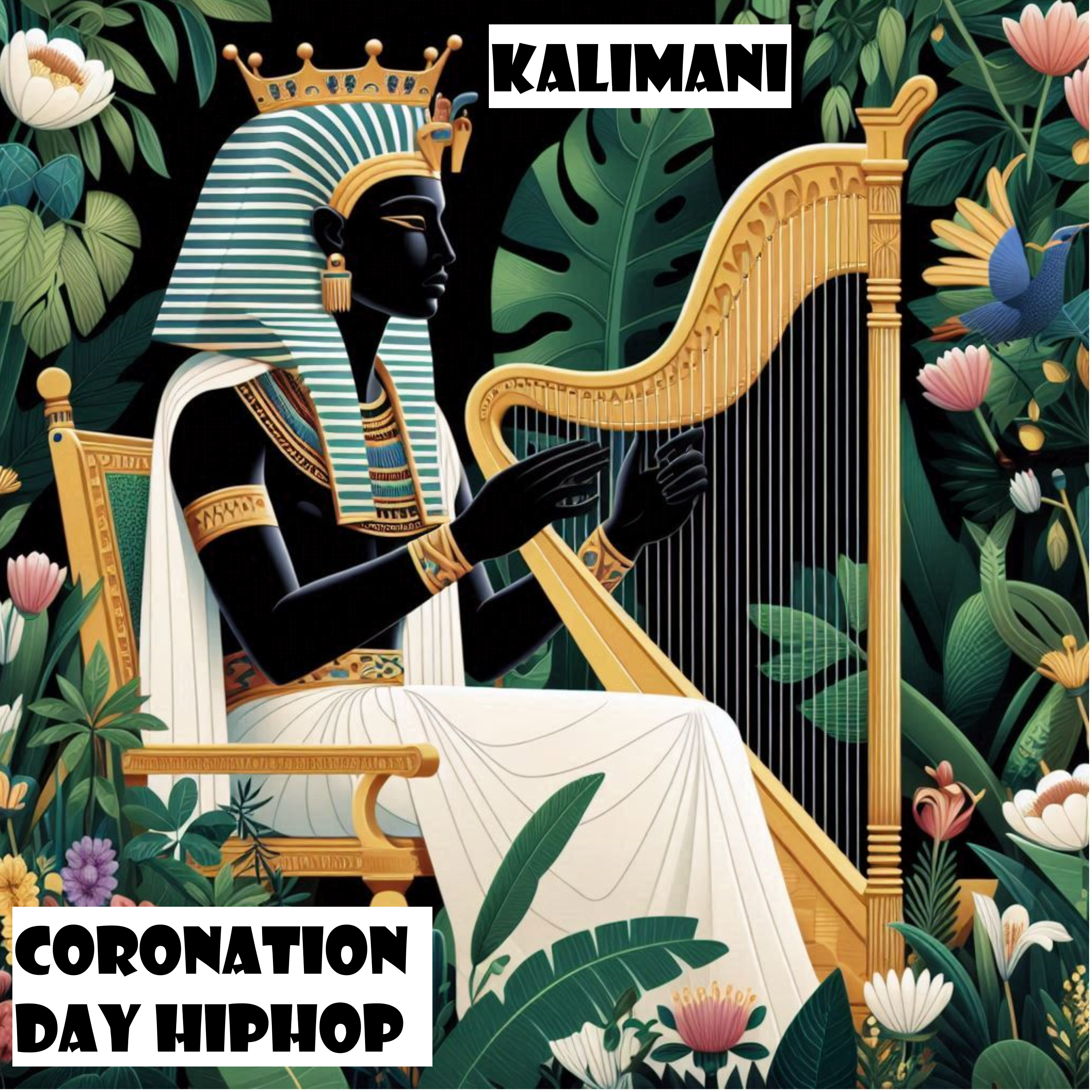
Coronation Day HipHop
Kalimani Beats
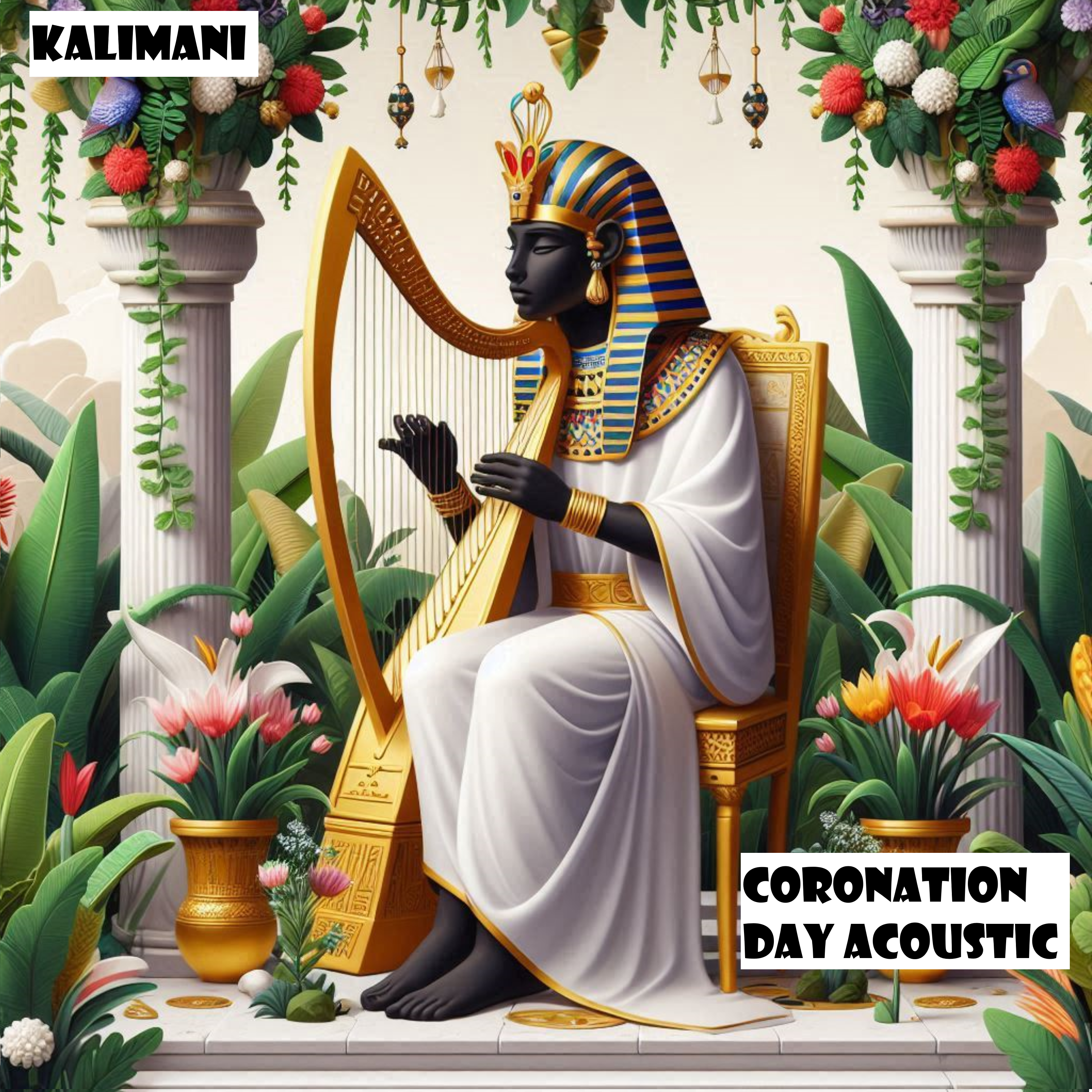
Coronation Day Acoustic
Kalimani Beats
NileFlow Records Official Releases
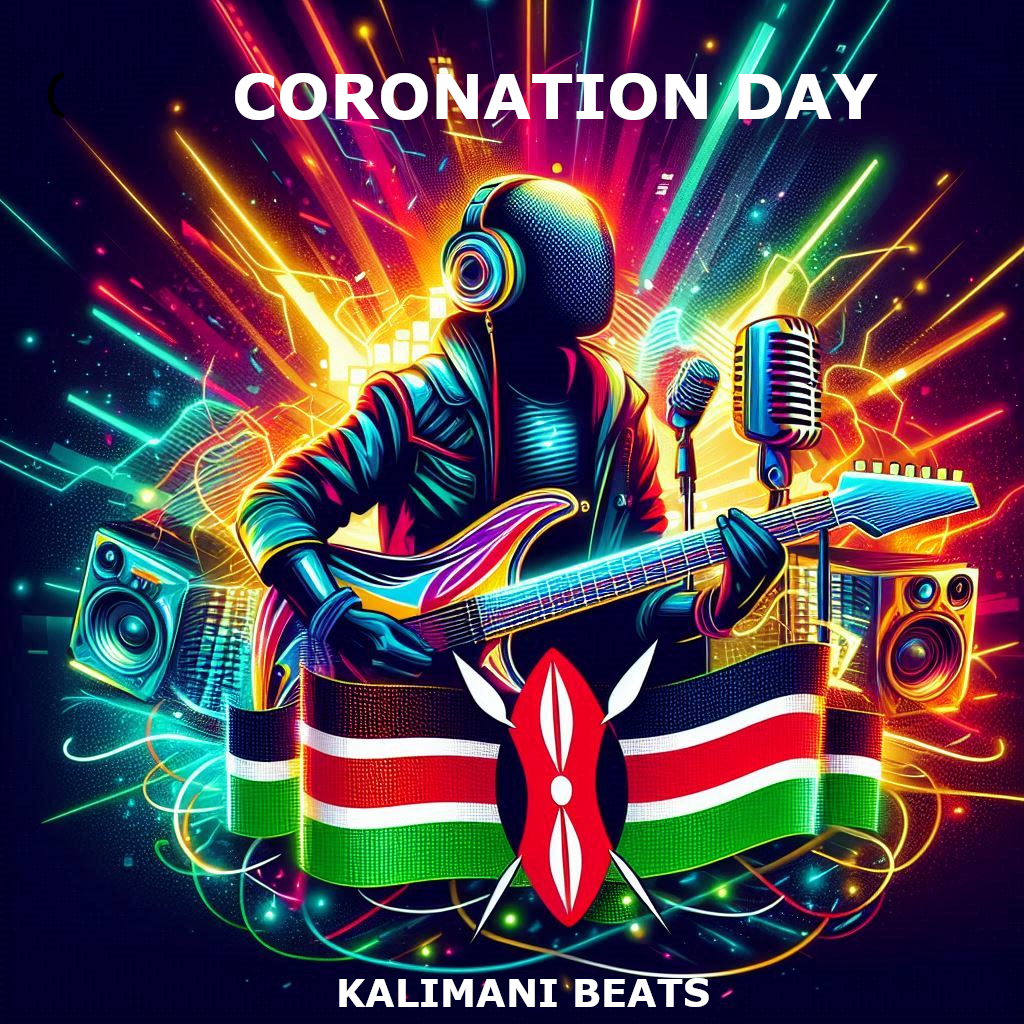
BUY NOW
Ready to party (Official)
Kalimani Beats
BUY NOW
Ready to party (Official)
Kalimani Beats
Kenyan Instrumentals
In this instrumental masterpiece, we blend the raw energy of hip-hop with the timeless elegance of orchestral strings. Picture bass drums pulsating like the heartbeat of the Nile, while the bassline weaves intricate patterns. The lead acoustic guitars add soulful melodies, and the violin, cello, and viola create lush harmonies that transport you to ancient riverbanks. Connect with NileFlow. Subscribe to our YouTube and SoundCloud channels for more genre-defying music.
01. River NileFlow
Kenyan Instrumentals
River NileFlow Instrumental
Kalimani Beats
Musical Chairs Instrumental
Kalimani Beats
Drop that Mic Instrumental
Kalimani Beats
Thank God We Okay Instrumental
Kalimani Beats
Ready to Party Instrumental
Kalimani Beats
Lonely Instrumental
Kalimani Beats
Recent Blog Articles
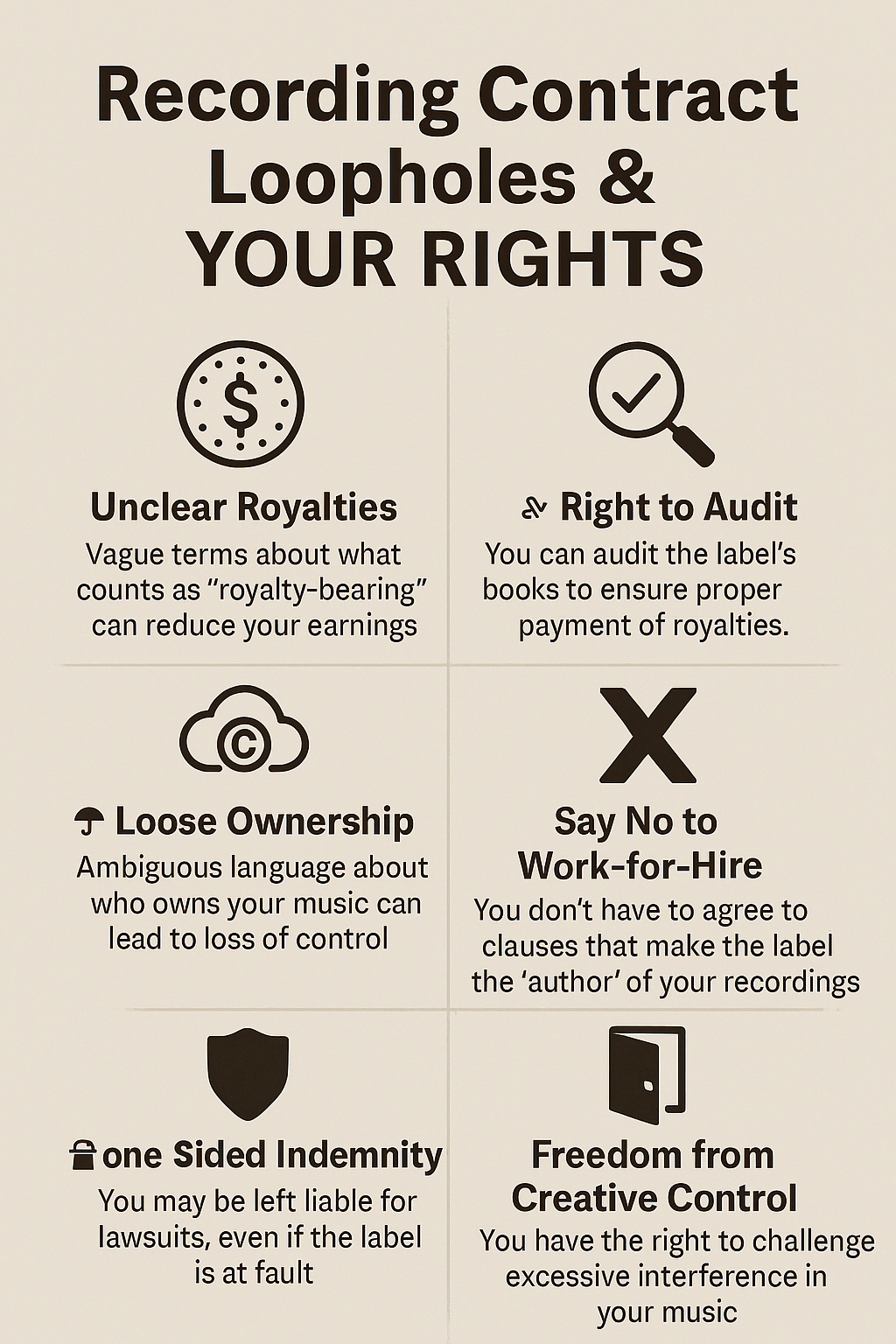
A “loophole” is a contradiction in the contract that can cost you money because of its ambiguity or trickery. ‘Double-Dips’ are a different kind of contradiction: labels charge artists for certain expenses by making deductions from the money owed to the artist from record sales. Although unavoidable, these deductions can sometimes be hidden in the contract by including the same or similar payments (or deductions) twice, which is why it’s called ‘Double-Dip.’ There are even ‘Triple-Dips’ at times. Loopholes occur when, through misleading subheadings and redefined words, the contract’s author creates a contradiction that benefits his client.
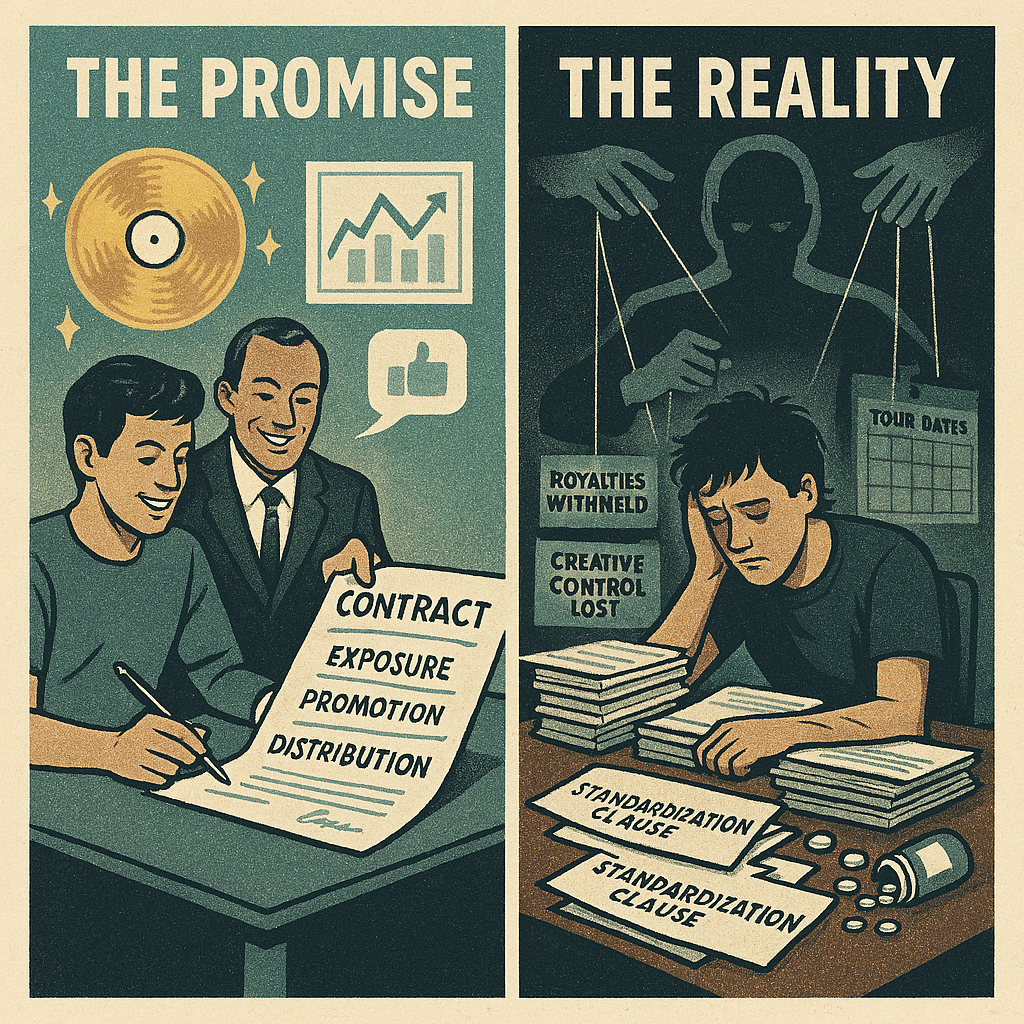
The primary agreements between publishers or record labels and songwriters include single-song assignments, exclusive writer contracts, co-publishing agreements, administration agreements, sub-publishing contracts, collection agreements, and synchronization agreements. A Single Song Assignment is a writer-to-publisher agreement, often called a ‘specific’ agreement. It is a contract to publish individual songs. This can cover one song or several, but it is clearly defined in the contract. The composer is not tied exclusively by this contract. They can enter as many single-song assignments as they want. Each contract links to different song titles. Usually, the writer assigns their rights to the publisher for a specific period, known as the ‘term.’ After the term ends, the collection period follows (Gammons, 2011).
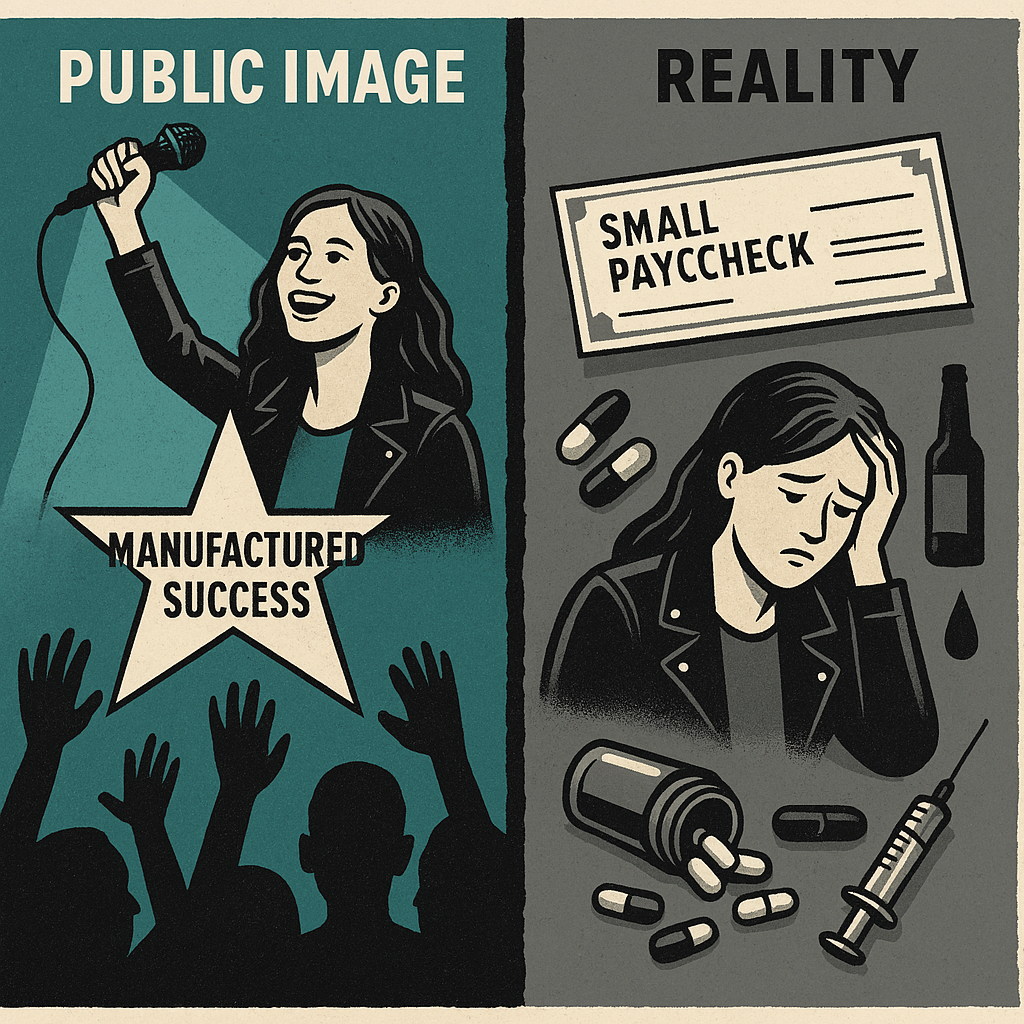
In the contemporary music industry, being signed to a record label is regarded as the key to artistic success. There is so much competition between artists and labels that it is very difficult to succeed without good representation. Furthermore, the music industry is financially uncertain because it relies on subjective products. A record label provides artists with the financial muscle for production and promotion. This financial support helps the artists get "wider recognition" for their work. The record labels offer creative entrepreneurs a way to get promoted and distributed effectively. Thus, being signed to a record label boosts an artist's legitimacy and credibility in the eyes of the public.
Thus, the term starts on the signing date, and the combined length of the copyright assignment or license is the term plus the retention period, 5 years + 5 years = 10 years. However, the writer can exit the contract after five years if the terms are met. The songs will remain with the publisher through the retention period. For illustration, If an artist signs a deal with Universal Music and the contract expires, they can enter into a new agreement with a different publisher for new material. However, the works created before will stay with the previous publisher (Universal Music) until the retention period ends (Gammons, 2011).
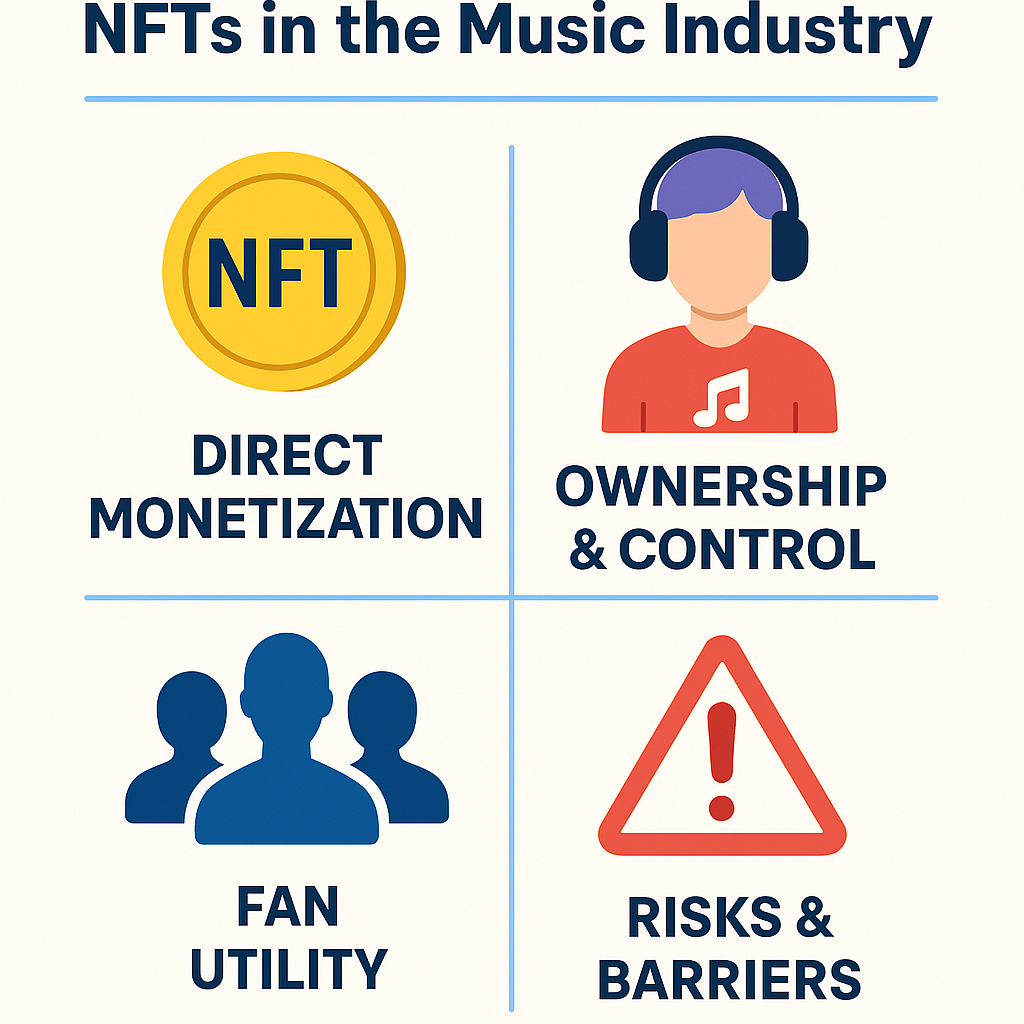
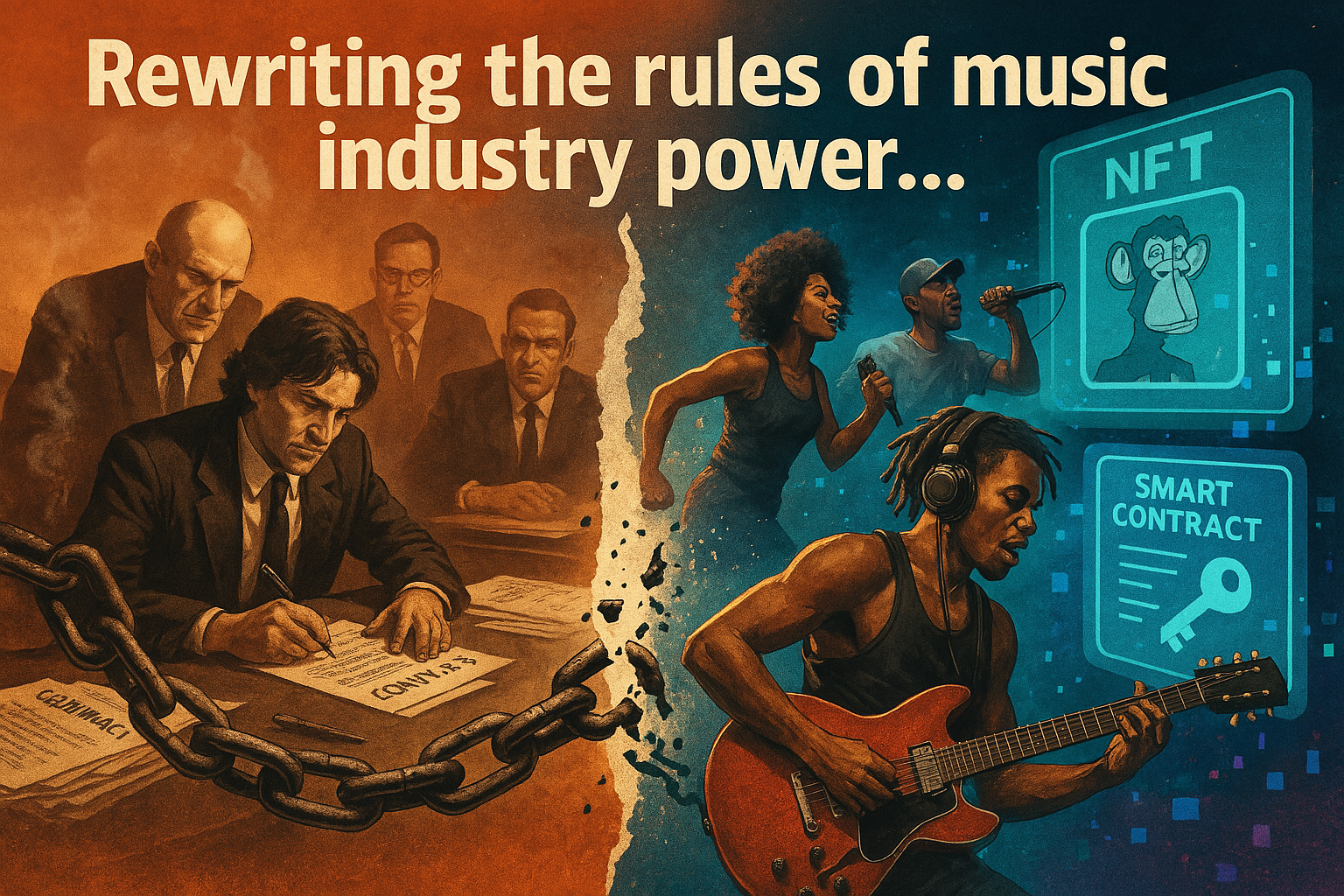
An NFT is a digital certificate of rights tied to an asset, often digital. Non-fungible means each token is unique. This is different from cryptocurrencies, which are interchangeable. While digital works can be copied easily, the NFT owner claims rights to the 'original' version. A creator might issue a limited series of NFTs. This can provide special access to select videos or music for certain ‘superfans.’ NFTs can also create tickets for events. Most NFTs are bought and sold on third-party marketplaces, which also help mint new NFTs. Often, the work linked to the NFT is not stored on the blockchain. Instead, most NFTs have metadata that points to an off-chain resource. Moreover, NFTs can connect to physical goods or experiences. In this case, the NFT acts as a ‘digital password’ to verify ownership (Eisman et.al, 2021).
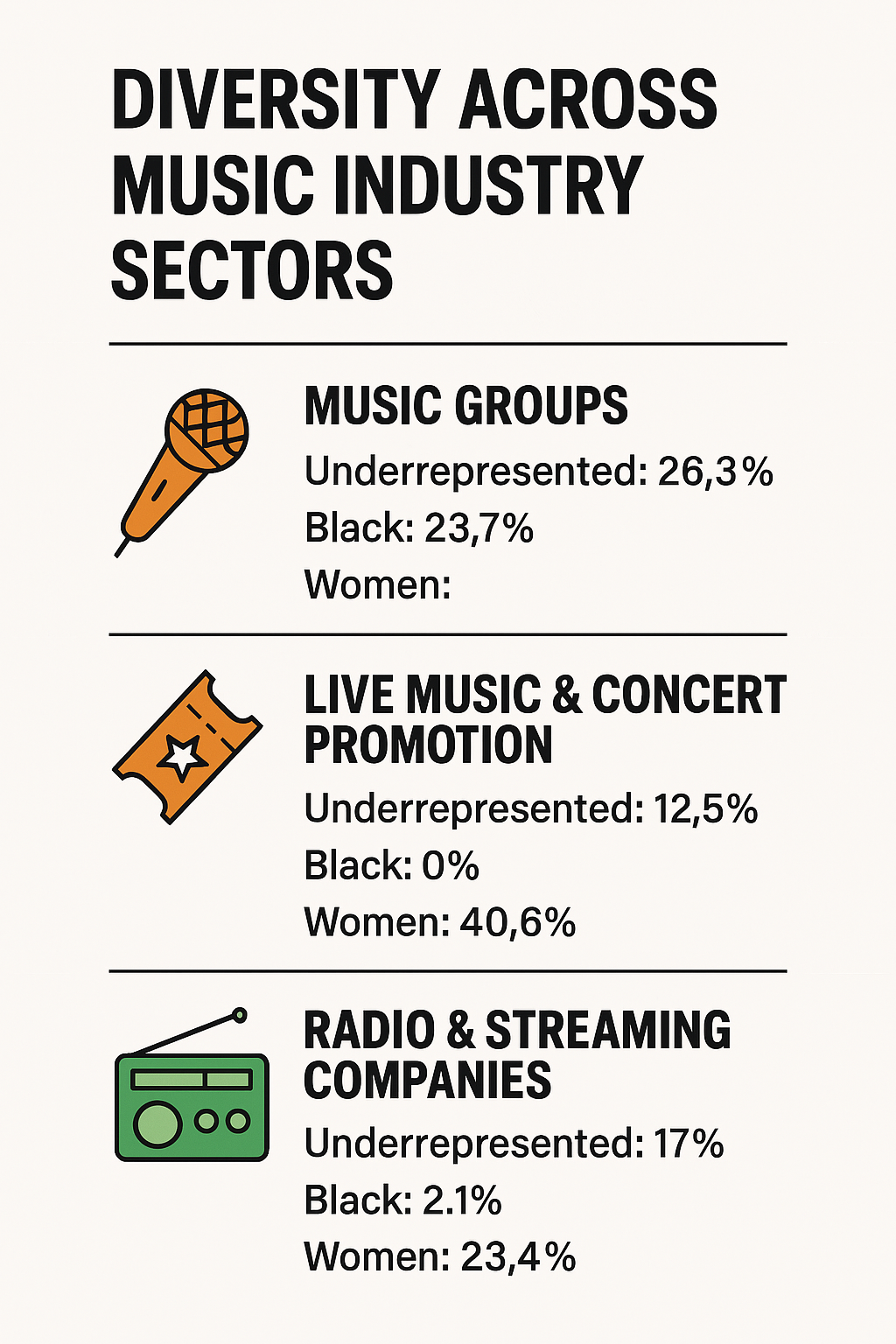
Within the music industry, the representation gap refers to the disconnection between music executives and the artists or audiences they serve. This highlights systemic marginalization, particularly at the executive level (Smith et al., 2021). The music representation gap is seen as a social and widespread imbalance with measurable disparities (Kallio et al., 2021). Additionally, structural barriers to inclusion, such as hiring practices, programming, and executive selection, both reflect and reinforce these gaps. Curators select, organize, and encode musical works, giving them considerable influence over who receives artistic opportunities and recognition, which in turn enables either inclusive or exclusive practices. Data shows that women and minorities have fewer opportunities, face prejudice, and often leave music education, negatively affecting industry diversity (Juhl, 2021).
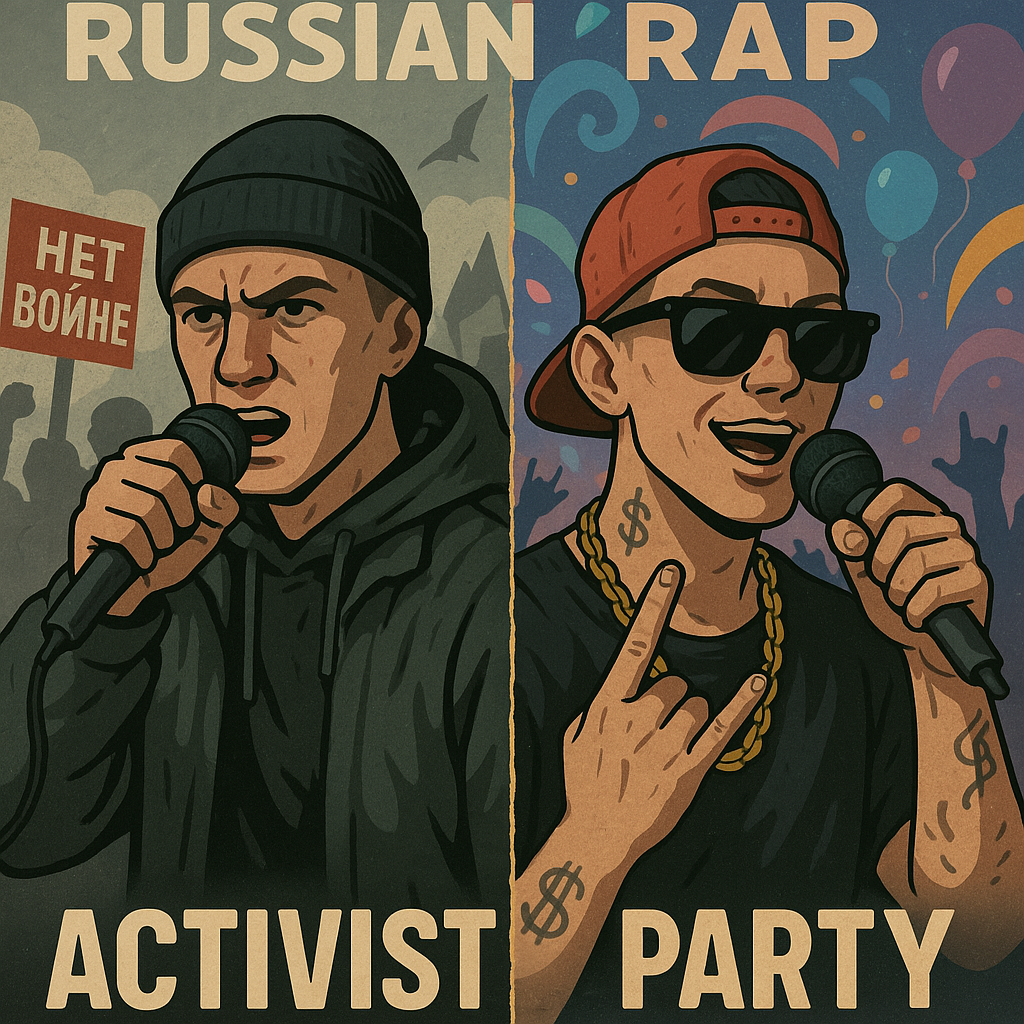
Russian rap took root properly in the early 1990s, following the collapse of the Soviet Union. Some argue that the earliest rap in Russia was “Rap” (1984) by the rap group Chas Pik, an unofficial remix of The Sugarhill Gang’s 1979 “Rapper's Delight”. The 1990s brought in popular Russian rappers and rap bands like Bogdan Titomir, Liki MC, Bad Balance, and Mal’chishnik. Rap music was suited to the culture because of the country’s profound artistic traditions and abundant history in performance art. It got fully entrenched during Putin's reign, departing from its wholesale copying of American artists. (Miszczynski & Helbig, 2017).
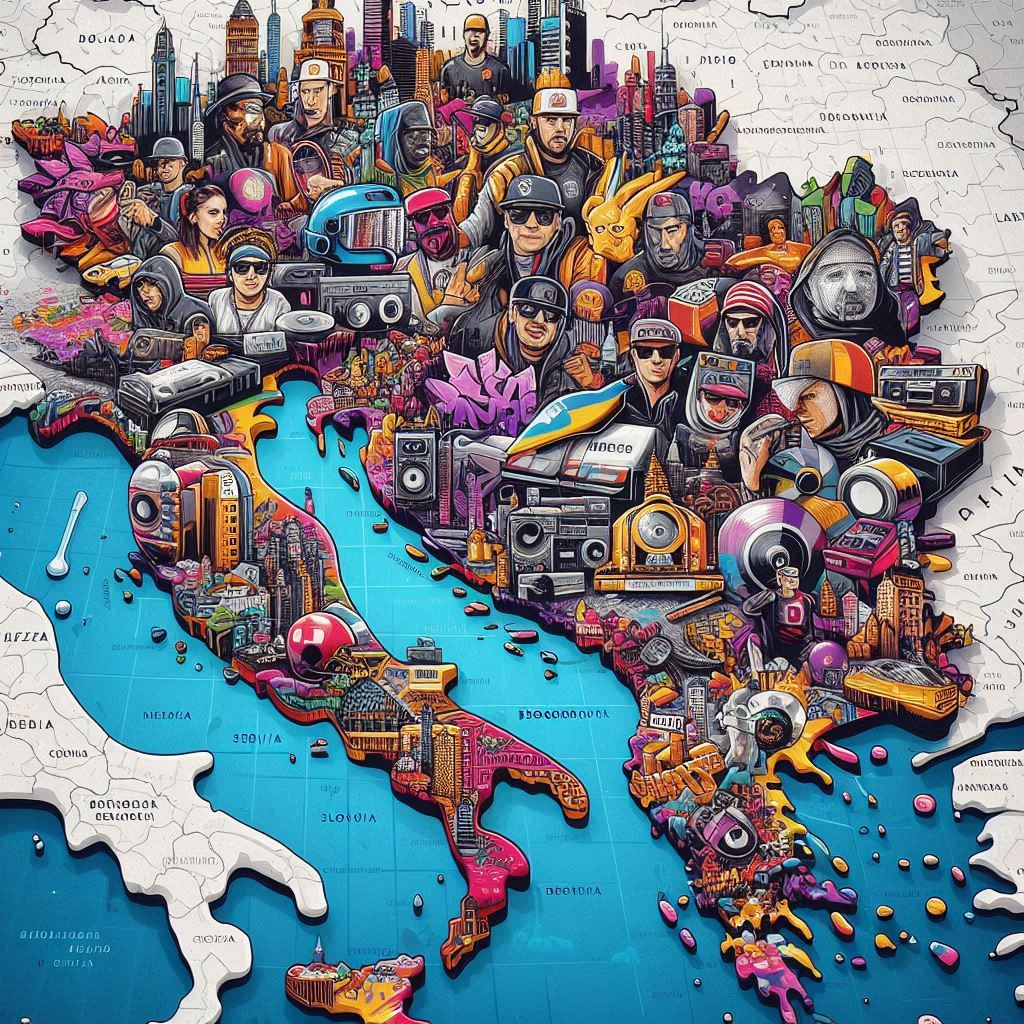
Albanian hip-hop represents a vibrant cultural and social movement that encompasses artists from Kosovo, North Macedonia, Montenegro, and various other Albanian communities. Many of these communities were formerly part of Yugoslavia and experienced different levels of freedom to participate in the global hip-hop arena. Albanians frequently imitate the performance style of American rappers and singers. Nevertheless, the Albanian hip-hop scene is distinct from the United States and other nations. To begin with, the Albanian hip-hop and R&B scenes are delineated as in other regions. Hip-hop is regarded as a social movement centered on rap, while R&B features gentler rhythms and romantic themes, serving as a foundation for rap and hip-hop. The Albanian hip-hop scene has been predominantly shaped by visual and performance aspects of rap and hip-hop artists, whereas R&B has had a more profound influence on lyrical content, resulting in a unique interpretation of Albanian hip-hop. A recurring motif among these artists is the incorporation of the Albanian language in their lyrics, often interspersed with English terms, mirroring trends observed in Italian and German hip-hop (Miszczynski & Helbig, 2017).
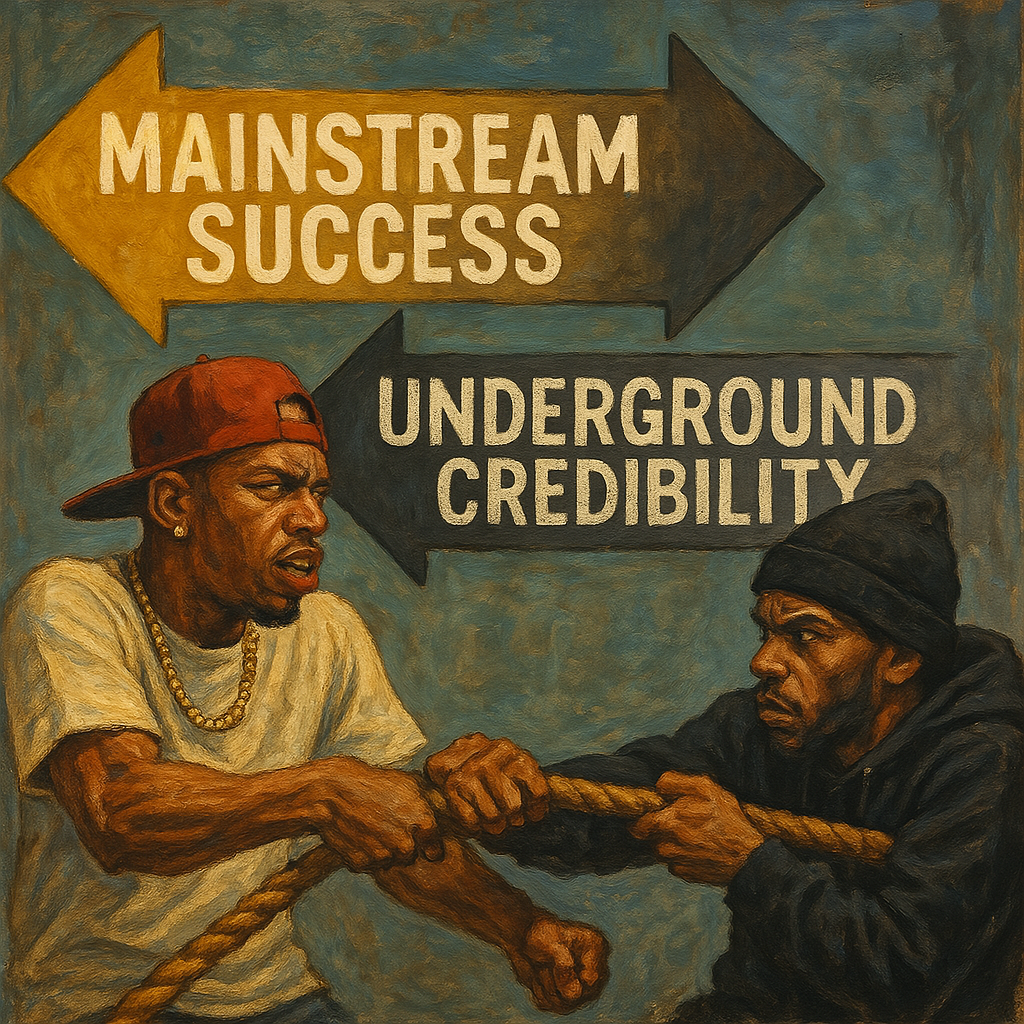
According to Frankfurt School Marxists, popular culture created by the mainstream entertainment industry supports capitalism through the messages it conveys. The mainstream entertainment refers to the capitalist and bureaucratic system that promotes modern popular culture. Gramsci affirms that the ruling classes maintain control over the proletariat through both brute force (intimidation) and consensus, achieved by spreading hegemonic philosophies that suggest the privileged act in the best interests of the governed. Shusterman asserts that mainstream hip-hop is a “controlled culture” fashioned by ruling elites to support hegemonic philosophies and prevent the public from opposing the existing system. Likewise, Blair states that hip-hop artists were forced to become corporatized, so they eagerly championed the status quo by replicating the hegemonic systems of the major record labels (Vito, 2019).
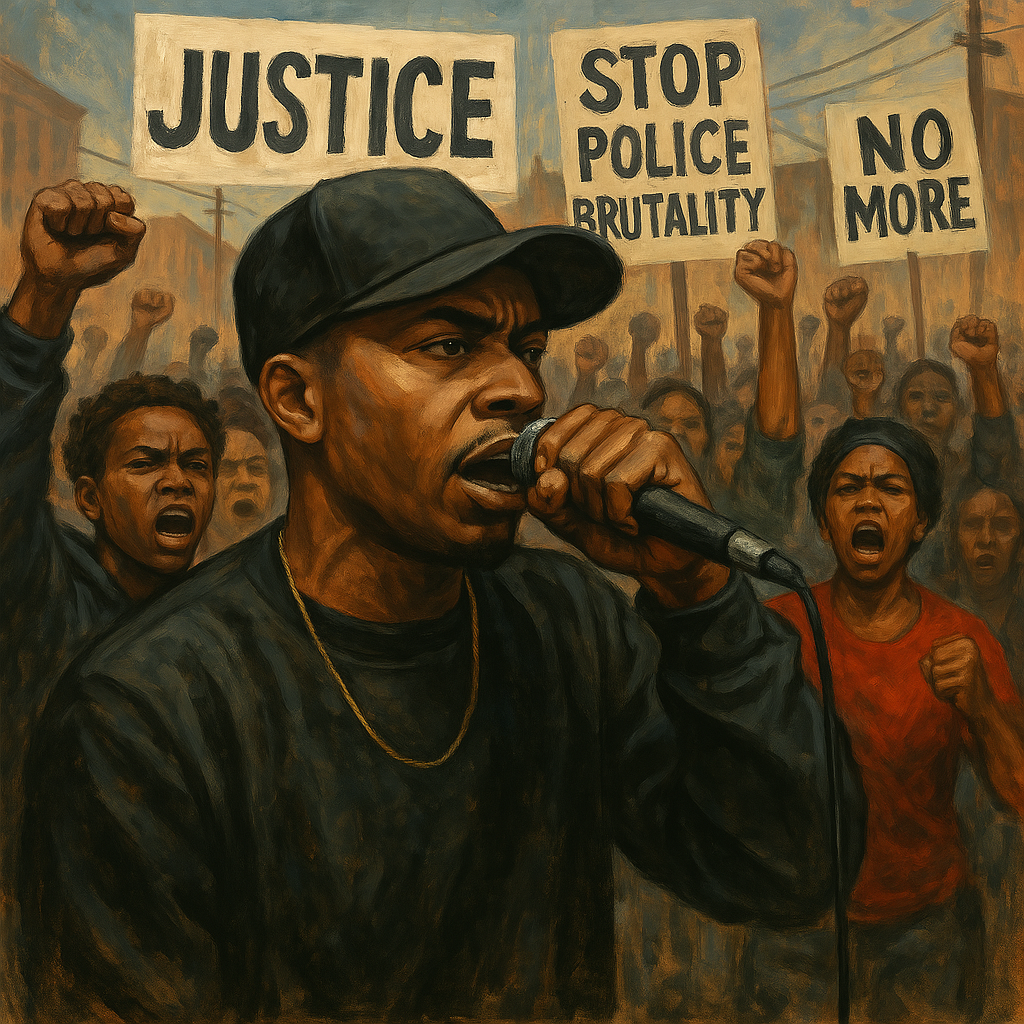
Hip-hop’s origins trace back to urban spaces where creativity thrived despite socio-economic deprivation. Hip-hop culture provided underprivileged groups or communities an authoritative platform for social interpretation, political action, and demonstration. From its beginning, hip-hop has provided artists with a platform for activism to challenge systemic injustices and advocate for change. Public Enemy, a revolutionary rap group in the 1980s, used their music to address racism, police brutality, and inequality. Their anthem ‘Fight the Power’ became a rallying cry for liberation and opposition. Hip-hop’s most powerful aspect is its capacity to magnify marginalized voices and shed light on important social issues (The American News Staff, 2025). “Art is political… artists demand their audiences think through the troubling history of slavery” (Sciullo, 2018, p. 86), reflecting the parallel between hip-hop music and visual art as instruments for historical reckoning.
Hip-hop originated in the South Bronx neighborhood as a means for Black people to express themselves in a style that was uniquely their own. Appropriation occurs when an artistic invention by a specific group or community is used to anchor racist simplifications or categorizations about the original culture, but is considered great, sophisticated, or comical when the advantaged group adopts it for themselves. Azealia Banks slammed the credit disparity that falsely promotes the advantaged group’s artistic ownership rights (White label owners and artists) against the disadvantaged group's ownership rights (Black label owners and artists) (Akens, 2016).
Since its emergence, more than half a century ago, Hip-hop has become one of the most commercially successful music genres in history. Hip-hop has become big business, influencing fashion, marketing and advertising, film and television, gaming, sports, technology, and consumer industries. Jay-Z summed it best in his lyrics 'I’m not a businessman, I am a business, man”, to capture the genre’s transformation into a commercial juggernaut. But, behind these achievements is a storied history of seemingly ' successful’ artists battling record labels over exploitative contracts that only benefit the corporations, leaving the artists perpetually destitute.
In the music industry, AI tools are machine learning models used to create different musical arrangements and associations based on the information used to teach them. AI learns the features and musical arrangements that audiophiles are expected to find irresistible and engaging. AI can then produce new music by unpredictably combining different musical elements from the information fed to it, in this case, the melodies, notes, vocals of a specific artist(s), composer(s), songwriter(s), or musicians’ productions. AI has given amateurs and professional musicians a conduit for producing professional music at a nominal cost. Additionally, it has given emerging musicians access to professional mastering techniques that previously were out of reach due to associated costs.
Sampling in music can be described as a creative revision practice that involves the reuse of segments from existing sound recordings to craft new musical arrangements. It became prevalent with the introduction of inexpensive samplers such as Akai. These inventions, combined with the internet, profoundly transformed music production. The samplers allowed both amateurs and experts to recreate sounds. Artists became empowered to create distinctive musical arrangements by layering, looping, and engineering sounds. The sampling process involves artists taking portions of existing recordings, such as a bar, a note, or a sound, and incorporating them into innovative creations. This encompasses three key stages: the artist selects the recording, extracts the desired section, and then lays it within the new sample. The genius of sampling is artistically contrasting sounds from dissimilar eras and perspectives to create inventive and dramatic musical pieces.
In the pre-digital era, the music industry was dominated by physical formats of vinyl records, cassette tapes, and compact discs (CDs). These were the principal channels for music recording, distribution, and consumption. Vinyl records with iconic album art had been the main method of music distribution. They presented music collectors with a tangible collectible music experience. The analog audio quality, organic sounds, and distinctive flaws added an idiosyncratic appeal for audiophiles and collectors. Artists and record companies turned their records into art pieces by judiciously creating exquisite album artwork and wrappings to communicate their flavor and brand.
The Afrobeat genre emerged around the 1960s and 1970s. Its prominence in Nigeria is credited to eclectic musician Fela Kuti. Afrobeat combines traditional African rhythms with jazz, funk, and highlife. It is deeply rooted in African tradition and is a platform for social and political expression, addressing issues like colonialism, corruption, and inequality. Western African traditional rhythms and indigenous instruments like the djembe and shekere provided Afrobeat with its complex rhythms. Modern elements were introduced through colonial cultural exchanges and African migration, creating more worldly sounds that amalgamate European and American genres.