1. Advance Clauses
Summary: Advances are loans, not gifts. Labels deduct expenses before recoupment.
Example: $100,000 advance → $80,000 deducted → only $20,000 recoupable.
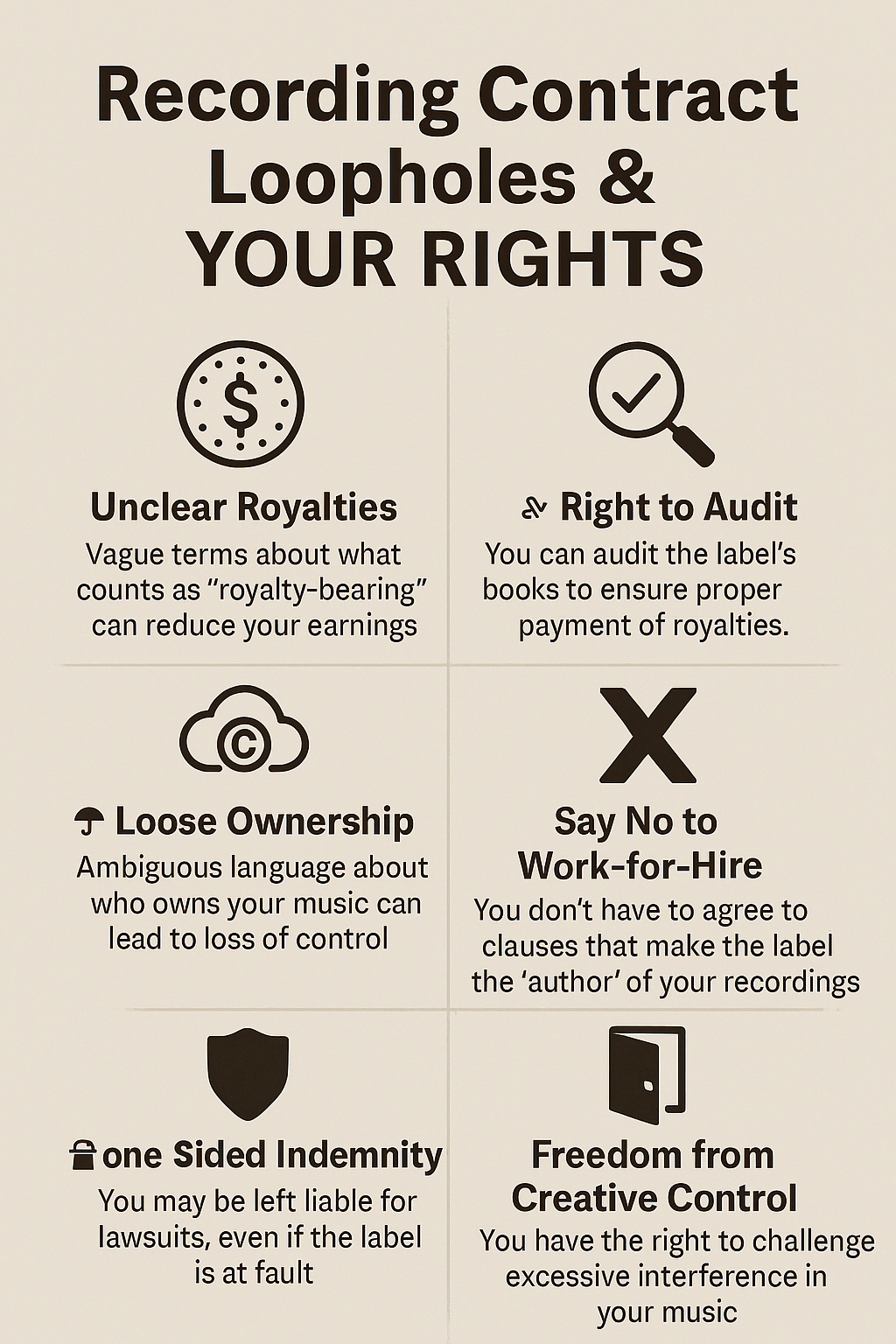
A “loophole” is a contradiction in the contract that can cost you money because of its ambiguity or trickery. ‘Double-Dips’ are a different kind of contradiction: labels charge artists for certain expenses by making deductions from the money owed to the artist from record sales. Although unavoidable, these deductions can sometimes be hidden in the contract by including the same or similar payments (or deductions) twice, which is why it’s called ‘Double-Dip.’ There are even ‘Triple-Dips’ at times. Loopholes occur when, through misleading subheadings and redefined words, the contract’s author creates a contradiction that benefits his client.
Many artists are poorly prepared to understand their 70-plus-page recording contract, known in legal circles as ‘The Thick.’ Usually, the artist is given a five-page document outlining the basic terms, called a ‘deal memo.’ Artists often sign these as a ‘working contract’ to show good faith while their managers and the label’s business team negotiate the details in ‘The Thick’.
Source: The Evolution of Record Deals
A hidden contradiction or misleading clause that lets labels reduce artist payouts—often buried in long contracts or disguised under vague headings.
Subheadings like “ROYALTIES” or “ADVANCES” don’t guarantee relevant info is under them. Terms may be buried elsewhere, like under “NEGATIVE COVENANTS.”
Example: Advance only paid if artist performs naked on national TV.
Labels redefine common words to suit their interests. Artists may agree to terms that don’t mean what they think.
Example: “Sold” may exclude discounted or returned units, reducing royalty base.
Labels deduct royalties twice—once for discounts, again for redefined “sales.”
Example: Artist paid on 900 units instead of 1,000 due to a 10% discount, even though label earns full amount.
Advances are loans, not gifts. Recoupment terms are often buried or conditional.
Example: Advance only triggered under extreme or impractical conditions.
Allows the label to reject up to 10 songs (or more) submitted by the artist without officially terminating the contract. This is problematic because the label isn’t obligated to release the music. The artist remains under contract and cannot sign elsewhere. The label avoids paying advances or royalties while retaining control.
Example: Label rejects 10 submitted tracks → artist can’t release music or sign elsewhere.
Deal Memo: A short summary (5 pages) artists often sign early.
“The Thick”: Full contract (70+ pages) with hidden clauses and legal traps.
Source: Moses Avalon, Secrets of Negotiating a Recording Contract
Summary: Advances are loans, not gifts. Labels deduct expenses before recoupment.
Example: $100,000 advance → $80,000 deducted → only $20,000 recoupable.
Summary: “Shipped” vs. “Sold” units manipulated to reduce payouts.
Example: 10,000 shipped → 6,000 sold → royalties on 4,000 after deductions.
Summary: Labels deduct for “packaging” even on digital releases.
Example: 25% royalty deduction on Spotify streams.
Summary: Caps mechanical royalties for artist-written songs.
Example: 12 songs written → paid for 10 at 75% rate.
Summary: Vague “commercially satisfactory” standards allow rejection.
Example: Label rejects album → artist must re-record at own cost.
Summary: Labels retain rights to extend contracts unilaterally.
Example: “One-album deal” includes five label-controlled options.
Summary: Artists can audit—but audits are costly and time-limited.
Example: $10,000+ audit cost within 12-month window.
Summary: Artist assumes legal liability for disputes and content.
Example: Band member sues → artist pays legal fees, label protected.
Summary: Labels claim rights to artist’s name, image, and merch.
Example: Artist blocked from launching independent clothing line.
A clause that lets the label recover part of your advance if projected sales aren’t met.
Label Projects: 100,000 Units
Advance Paid: $100,000
Actual Sales: 30,000 Units
Deficiency: $70,000 → Artist may owe the difference
“The Meat Grinder” is a metaphor for the multi-layered, often opaque system labels use to calculate royalties— designed to reduce what artists actually earn. Revenue is processed through multiple deductions before any payout.
| Record Type | Description | Typical Royalty Rate | Example Payout (Base Price $10) |
|---|---|---|---|
| Top Line | Full-priced retail release | 10–15% | $1.00–$1.50 per unit |
| Mid-Priced | Discounted reissues or catalog titles | ~75% of top line | $0.75–$1.13 per unit |
| Budget | Deep-discount releases, compilations, promos | ~50% of top line | $0.50–$0.75 per unit |
⚠️ Note: Labels can reclassify your release at any time, reducing your royalty rate without notice.
The sliding scale royalty system adjusts artist payouts based on record type and pricing tier. However, several exceptions allow labels to bypass even those reduced rates entirely.
| Exception Type | Description | Impact on Artist |
|---|---|---|
| Foreign & Third World Territories | Royalties may be reduced or waived in certain international markets. | Artist earns little or nothing from overseas sales. |
| Giveaways & Charities | Records distributed for free or charitable use are exempt from royalty payments. | No earnings despite public exposure. |
| Other Label Releases | Collaborations or compilations released by third-party labels may not trigger royalties. | Artist may be excluded from revenue share. |
| Record Clubs & Internet Sales | Sales through clubs or certain online platforms may be classified as non-royalty-bearing. | Reduced or zero payout per unit sold. |
| Budget Records, Cutouts, Public Domain | Deep-discount or clearance items often bypass royalty obligations. | Artist earns a fraction—or nothing—per unit. |
| Music Video Deductions | Costs of video production may be deducted from artist royalties. | Artist pays for promotional content that benefits the label. |
Artists should demand transparency and negotiate exclusions or caps on these exceptions. Many are buried in boilerplate language and can drastically reduce earnings without warning.
These often-overlooked provisions can dramatically affect artist earnings and control. Here's what to watch out for:
Also called “360 Deals,” these allow labels to take a percentage of income from non-record sources like touring, merch, sync licensing, and endorsements.
Royalties from international markets are often paid at reduced rates or through sub-licenses.
Labels withhold a portion of royalties to cover potential returns or accounting adjustments.
Labels control the release timeline, which affects marketing, touring, and income flow.
Each clause can be negotiated. Artists should seek legal review and push for transparency, especially in areas that affect long-term income and autonomy.
In traditional record deals, physical retail sales follow a structured flow that determines how artists get paid. Here's how it typically works:
Negotiate for clearer definitions of “sold,” limit packaging deductions, and demand timely release of reserves. Audit rights are essential to verify retail performance.
Labels often include strict requirements for the technical and creative quality of delivered masters. These clauses can significantly affect an artist’s timeline, budget, and leverage.
Always clarify what constitutes “delivery” and “acceptance.” Push for objective standards and retain creative veto power where possible. This clause can be a hidden trap for delays and deductions.
This clause outlines what the artist must cover during the recording process. It’s often buried in boilerplate language but can have major financial and creative consequences.
Labels may deduct these costs from your advance or future royalties. This means you’re technically paying for them—even if the label fronts the money.
Labels often reserve the right to approve songs, producers, and even session musicians.
Budgets are usually label-controlled, and artists are expected to stay within them—even if costs rise unexpectedly.
Contracts often include a firm deadline for delivering the final masters. Missing it can trigger penalties or breach claims.
Don’t accept the “standard” clause as boilerplate. Every item is negotiable. Push for transparency, shared costs, and creative autonomy.
These clauses determine how much an artist-songwriter earns from songs they write and record. They’re often misunderstood and heavily manipulated in standard contracts.
Example: An artist writes 12 songs for an album but is paid for only 10, and at a reduced rate.
Impact: Artist-songwriters earn less than independent writers, despite doing more work.
Negotiate for full statutory rates and remove caps on the number of payable compositions. Push for separate accounting and transparency in mechanical royalty statements.
Promotion is often framed as a benefit to artists, but in many contracts, it’s a cost that quietly eats into their earnings. Understanding how it’s structured is key to protecting your revenue.
Example: A $50,000 video shoot may seem like a gift, but it’s deducted from your earnings before you see a dime.
Impact: Artists may remain unrecouped for years, despite strong sales or streaming numbers.
Negotiate for non-recoupable promotional budgets or caps on recoupable expenses. Demand transparency in promotional accounting and retain approval rights over major campaigns.
Merchandising clauses determine who profits from the sale of branded items like t-shirts, posters, and vinyl bundles. They often extend far beyond what artists expect.
Example: A label takes 30% of tour merch sales, even though the artist paid for production and staff.
Impact: Artists lose autonomy and income from one of their most profitable channels.
Negotiate for non-exclusive merch rights, retain creative control, and demand fair revenue splits. Consider separate merch agreements outside the recording contract.
These clauses determine if, when, and how your music reaches the public. They’re often vague, giving labels wide discretion over timing and format—while artists bear the consequences.
Example: An artist records an album, but the label delays release for years due to “market conditions.”
Tip: Include a reversion clause that triggers automatic buyback rights if the label fails to release within a defined period.
Impact: Artists may miss key release windows or be excluded from emerging platforms.
Negotiate for a guaranteed release timeline, approval rights over distribution formats, and reversion clauses if the label fails to release within a set period. Push for transparency in platform reporting and territory splits.
Auditing is the artist’s right to verify the accuracy of royalty statements and label accounting. While often buried in contracts, it’s one of the most powerful tools for protecting your income.
Example: An audit reveals the label deducted promotional costs twice and underreported foreign sales.
Negotiate for broader audit rights: longer windows, more frequent access, and label-paid audits if discrepancies are found. Always retain the right to audit third-party distributors and sub-licensees.
These clauses define what you promise to the label—and what you’re liable for if things go wrong. They’re often overlooked, but they can have serious consequences for artists.
Example: If you sample a track without clearance, and the original artist sues, your warranty may make you responsible for damages.
Watch out: Some contracts require you to pay even if the label settles out of court without your input.
Indemnification clauses are often boilerplate—but they’re negotiable. Push for fairness and clarity, especially if your work involves collaborators, samples, or complex rights.
These clauses define how long your contract lasts and whether you can work with other labels or release music independently. They’re often rigid and can lock artists into long, restrictive deals.
Example: A 3-album deal could last 10+ years if the label delays releases or invokes options.
Watch out: Some clauses prohibit you from even promoting unreleased or non-commercial work.
Long terms and blanket exclusivity can stifle creativity and career growth. Negotiate for flexibility and clarity—especially if you're building a multi-platform or global career.
Avalon, M. (2010). Secrets of negotiating a recording contract: the musician's guide to understanding and avoiding sneaky lawyer tricks. Hal Leonard Corporation.
Gammons, H. (2011). The Art of Music Publishing: An Entrepreneurial Guide to Publishing and Copyright for the Music, Film, and Media Industries. Focal Press.
Nairn, A. (2020). Chasing Dreams, Finding Nightmares: Exploring the Creative Limits of the Music Career. M/C Journal, 23(1), N.PAG.
Creative Counsel. (n.d.). Music industry contracts: The ultimate list and guidance. CreativeCounsel.io.. https://www.creativecounsel.io/music-industry-contracts/
U.S. Copyright Office. (n.d.). What musicians should know about copyright. https://www.copyright.gov/engage/musicians/
U.S. Copyright Office. (n.d.). Copyright registration of musical compositions and sound recordings (Circular 56A). https://www.copyright.gov/circs/circ56a.pdf
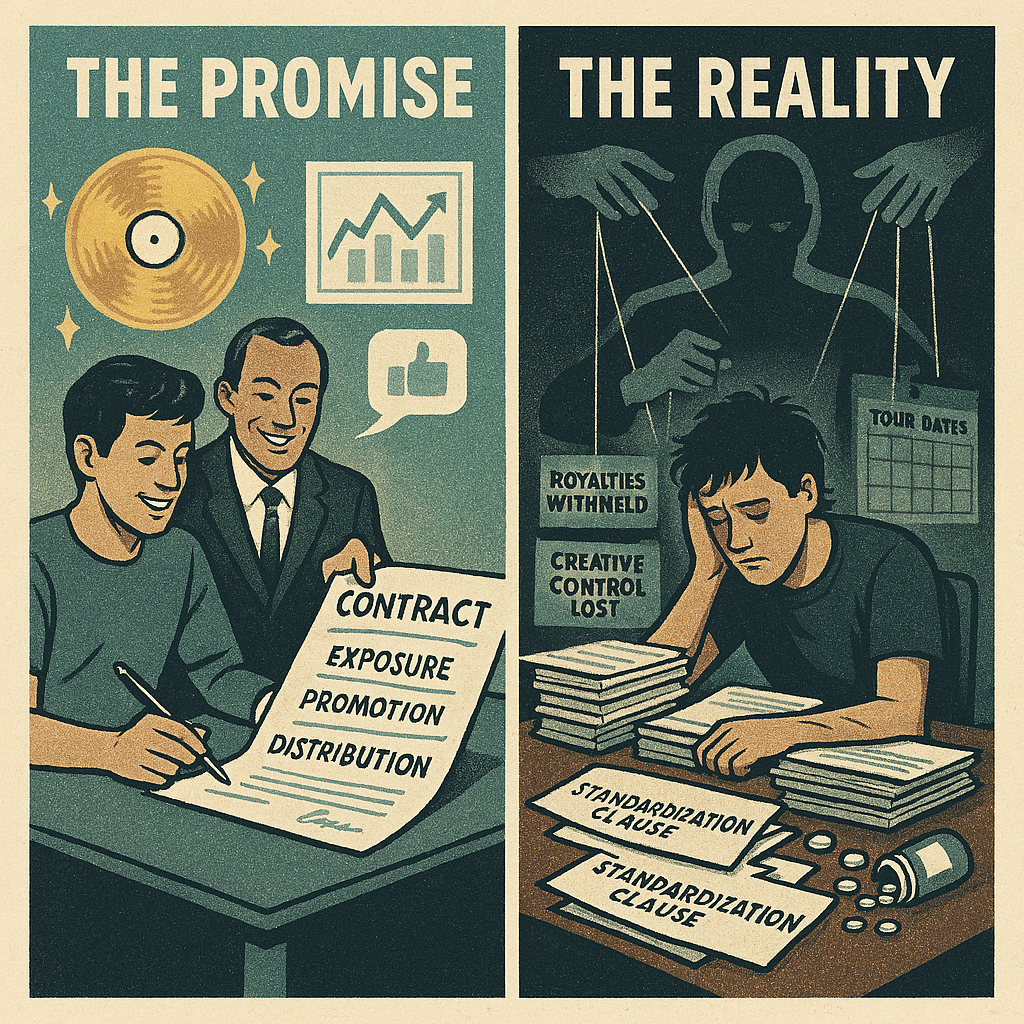
The primary agreements between publishers or record labels and songwriters include single-song assignments, exclusive writer contracts, co-publishing agreements, administration agreements, sub-publishing contracts, collection agreements, and synchronization agreements. A Single Song Assignment is a writer-to-publisher agreement, often called a ‘specific’ agreement. It is a contract to publish individual songs. This can cover one song or several, but it is clearly defined in the contract. The composer is not tied exclusively by this contract. They can enter as many single-song assignments as they want. Each contract links to different song titles. Usually, the writer assigns their rights to the publisher for a specific period, known as the ‘term.’ After the term ends, the collection period follows (Gammons, 2011).
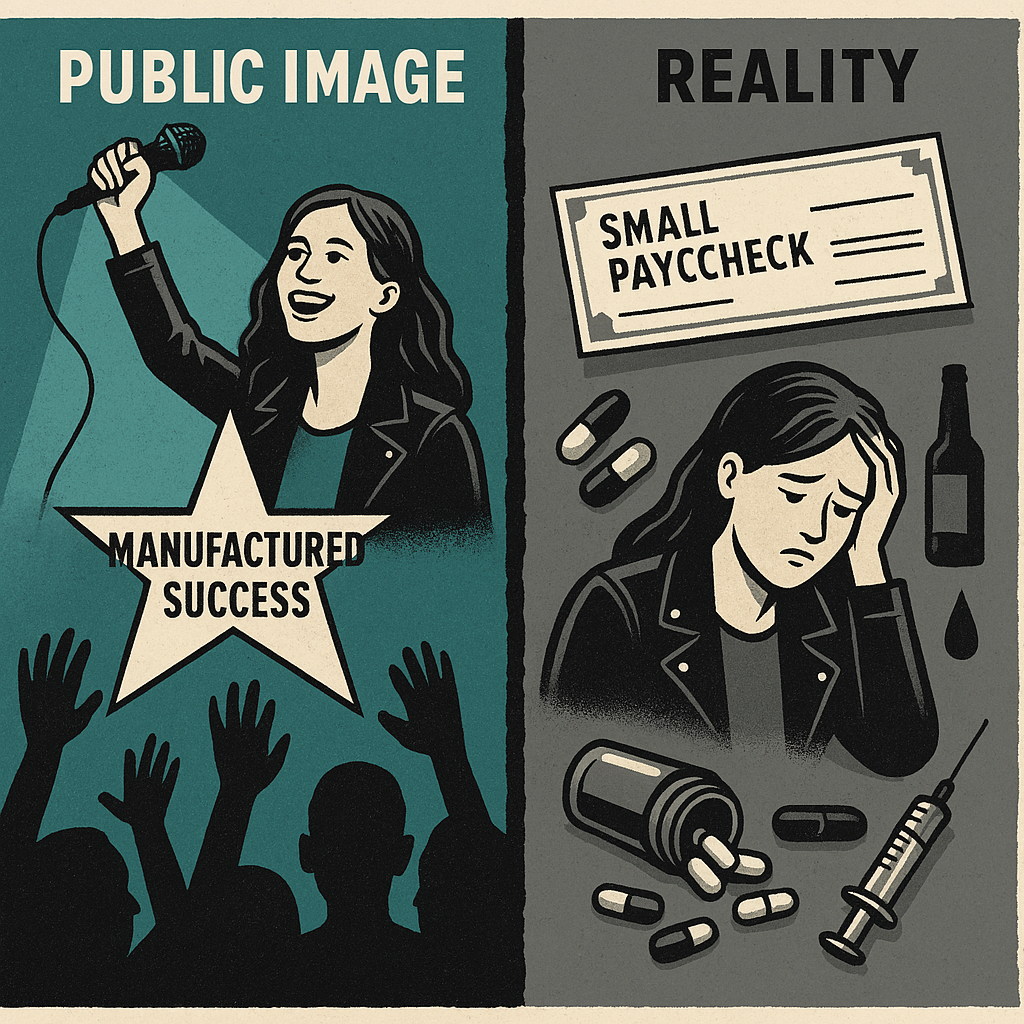
In the contemporary music industry, being signed to a record label is regarded as the key to artistic success. There is so much competition between artists and labels that it is very difficult to succeed without good representation. Furthermore, the music industry is financially uncertain because it relies on subjective products. A record label provides artists with the financial muscle for production and promotion. This financial support helps the artists get "wider recognition" for their work. The record labels offer creative entrepreneurs a way to get promoted and distributed effectively. Thus, being signed to a record label boosts an artist's legitimacy and credibility in the eyes of the public.
Thus, the term starts on the signing date, and the combined length of the copyright assignment or license is the term plus the retention period, 5 years + 5 years = 10 years. However, the writer can exit the contract after five years if the terms are met. The songs will remain with the publisher through the retention period. For illustration, If an artist signs a deal with Universal Music and the contract expires, they can enter into a new agreement with a different publisher for new material. However, the works created before will stay with the previous publisher (Universal Music) until the retention period ends (Gammons, 2011).
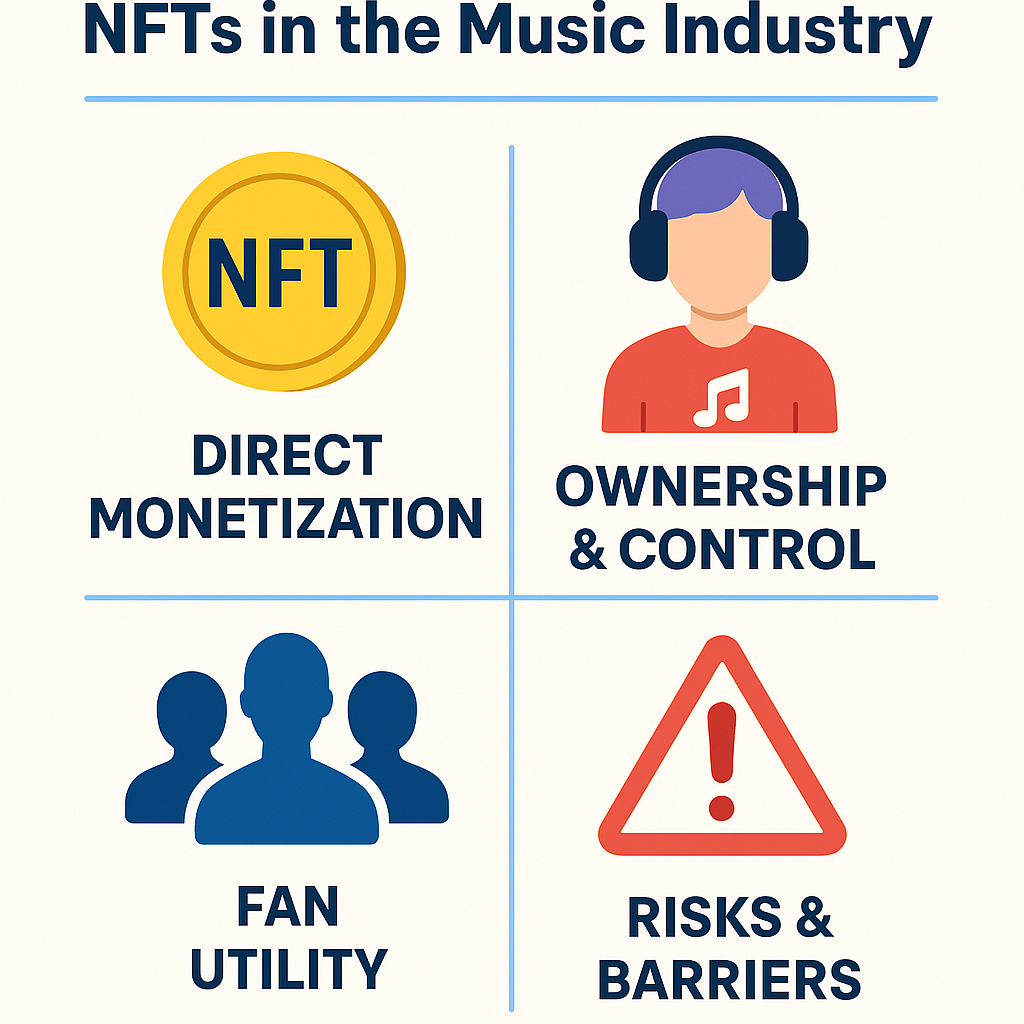
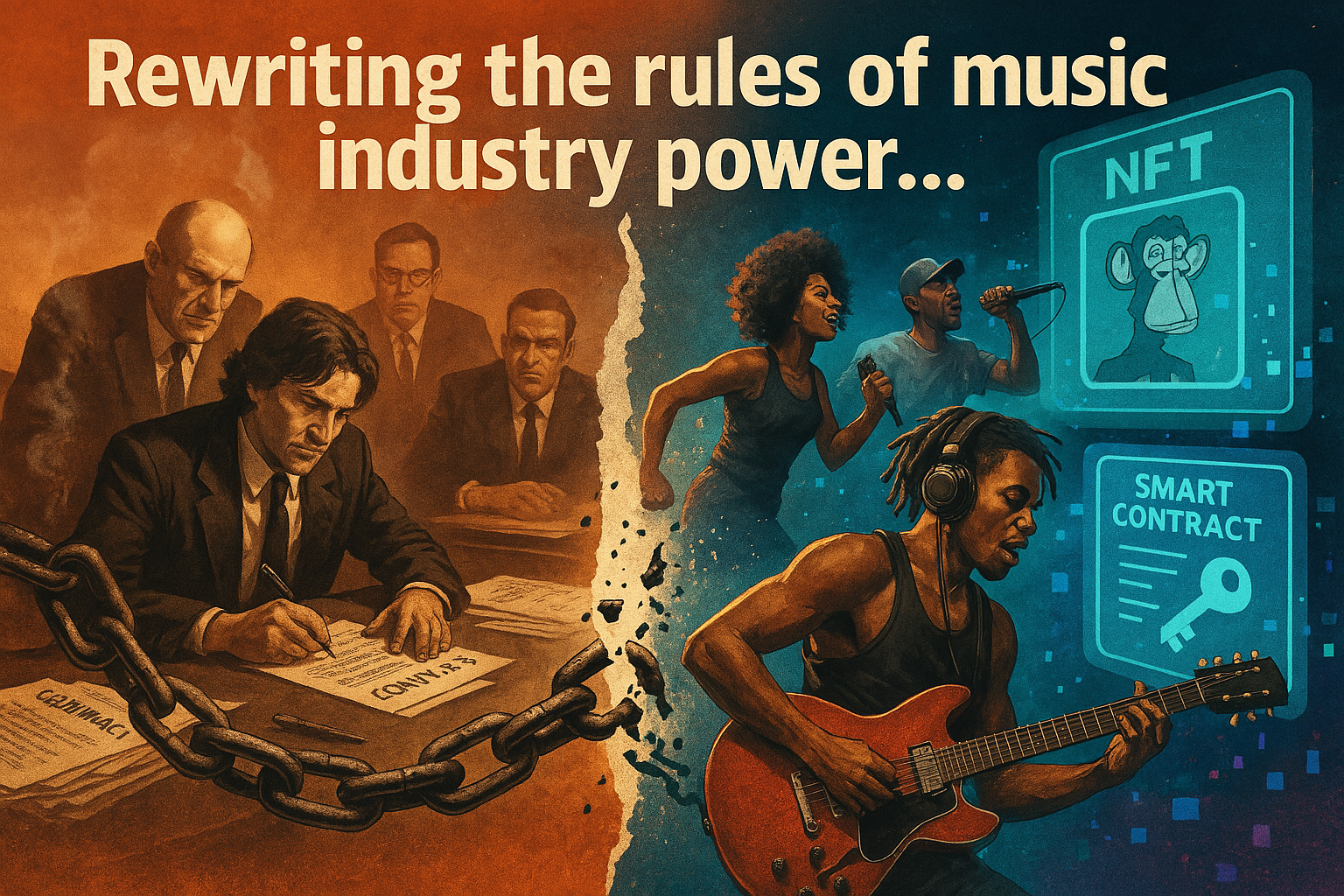
An NFT is a digital certificate of rights tied to an asset, often digital. Non-fungible means each token is unique. This is different from cryptocurrencies, which are interchangeable. While digital works can be copied easily, the NFT owner claims rights to the 'original' version. A creator might issue a limited series of NFTs. This can provide special access to select videos or music for certain ‘superfans.’ NFTs can also create tickets for events. Most NFTs are bought and sold on third-party marketplaces, which also help mint new NFTs. Often, the work linked to the NFT is not stored on the blockchain. Instead, most NFTs have metadata that points to an off-chain resource. Moreover, NFTs can connect to physical goods or experiences. In this case, the NFT acts as a ‘digital password’ to verify ownership (Eisman et.al, 2021).
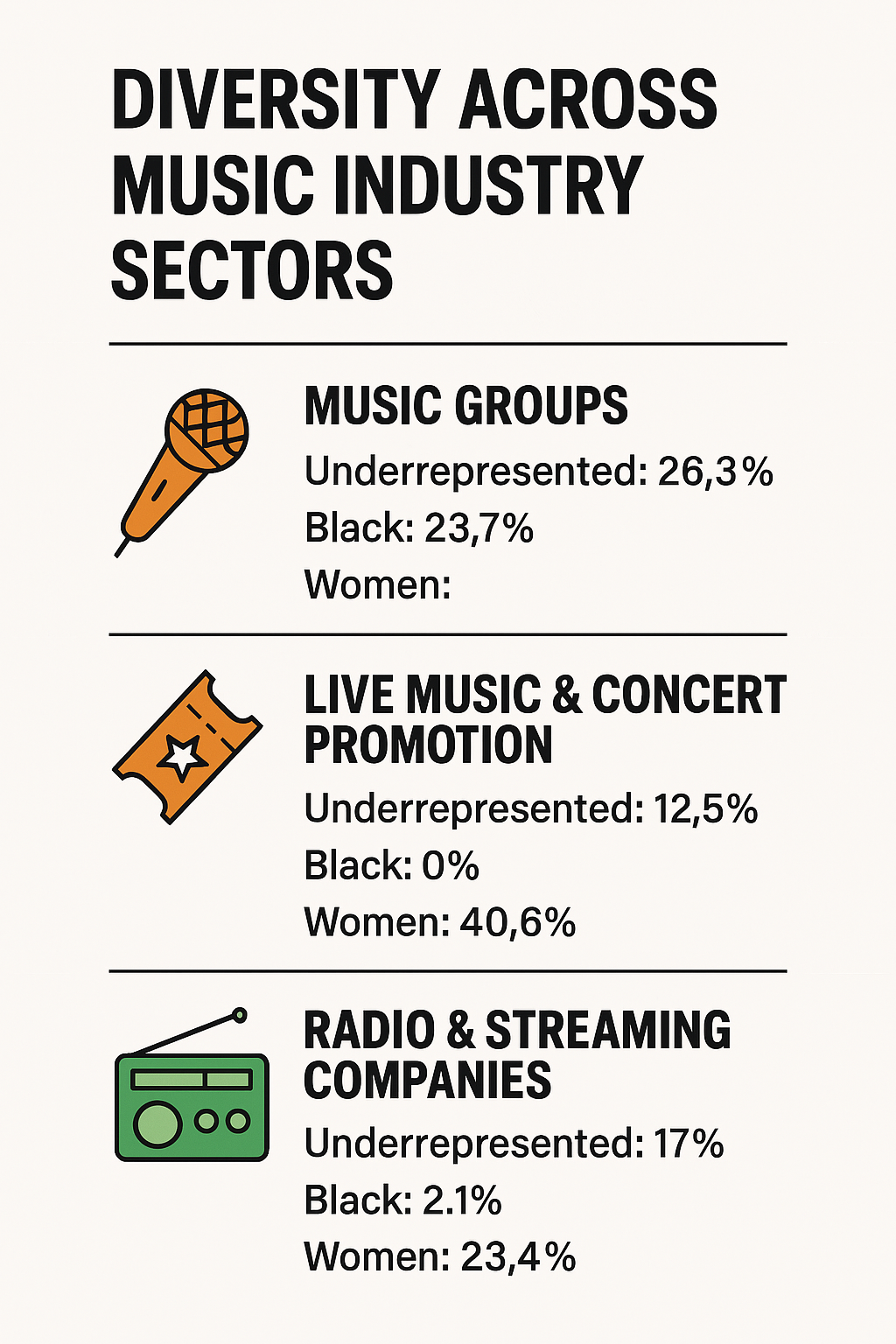
Within the music industry, the representation gap refers to the disconnection between music executives and the artists or audiences they serve. This highlights systemic marginalization, particularly at the executive level (Smith et al., 2021). The music representation gap is seen as a social and widespread imbalance with measurable disparities (Kallio et al., 2021). Additionally, structural barriers to inclusion, such as hiring practices, programming, and executive selection, both reflect and reinforce these gaps. Curators select, organize, and encode musical works, giving them considerable influence over who receives artistic opportunities and recognition, which in turn enables either inclusive or exclusive practices. Data shows that women and minorities have fewer opportunities, face prejudice, and often leave music education, negatively affecting industry diversity (Juhl, 2021).

Russian rap took root properly in the early 1990s, following the collapse of the Soviet Union. Some argue that the earliest rap in Russia was “Rap” (1984) by the rap group Chas Pik, an unofficial remix of The Sugarhill Gang’s 1979 “Rapper's Delight”. The 1990s brought in popular Russian rappers and rap bands like Bogdan Titomir, Liki MC, Bad Balance, and Mal’chishnik. Rap music was suited to the culture because of the country’s profound artistic traditions and abundant history in performance art. It got fully entrenched during Putin's reign, departing from its wholesale copying of American artists. (Miszczynski & Helbig, 2017).
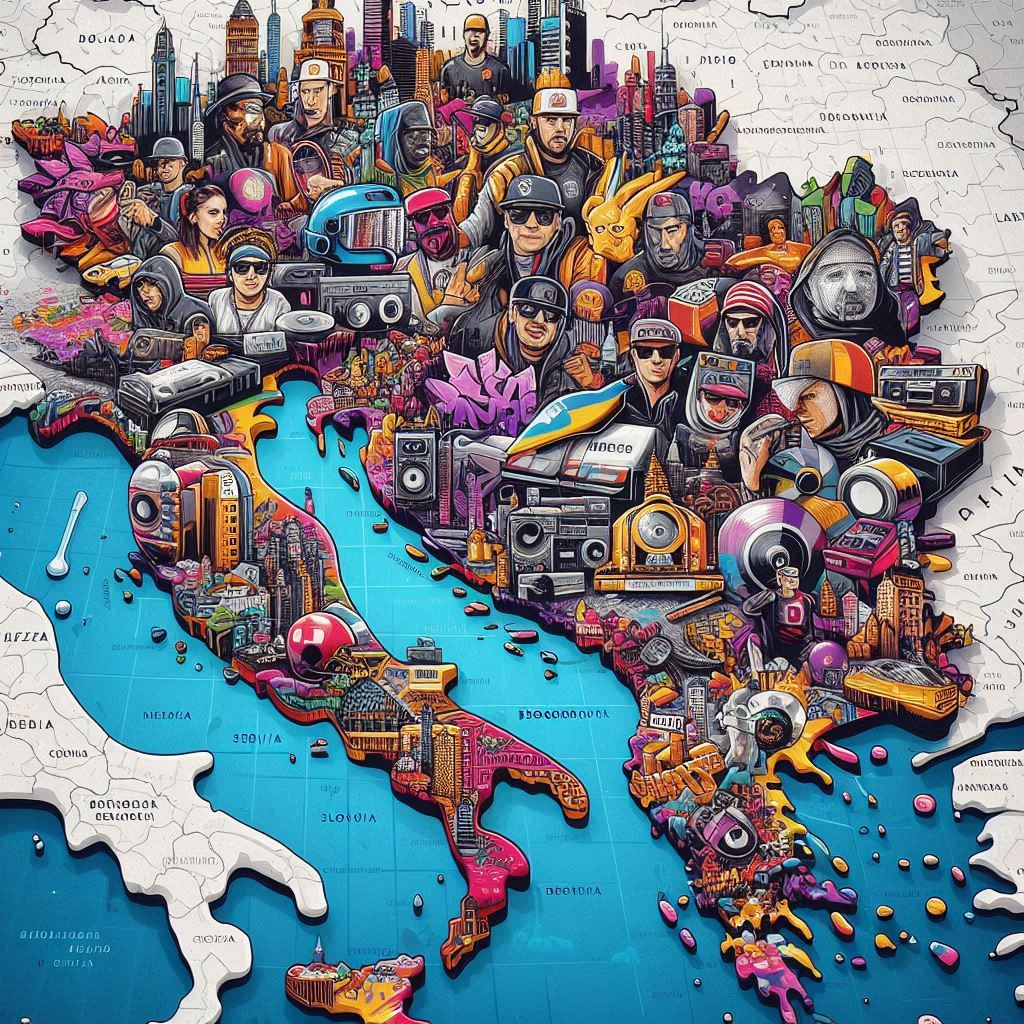
Albanian hip-hop represents a vibrant cultural and social movement that encompasses artists from Kosovo, North Macedonia, Montenegro, and various other Albanian communities. Many of these communities were formerly part of Yugoslavia and experienced different levels of freedom to participate in the global hip-hop arena. Albanians frequently imitate the performance style of American rappers and singers. Nevertheless, the Albanian hip-hop scene is distinct from the United States and other nations. To begin with, the Albanian hip-hop and R&B scenes are delineated as in other regions. Hip-hop is regarded as a social movement centered on rap, while R&B features gentler rhythms and romantic themes, serving as a foundation for rap and hip-hop. The Albanian hip-hop scene has been predominantly shaped by visual and performance aspects of rap and hip-hop artists, whereas R&B has had a more profound influence on lyrical content, resulting in a unique interpretation of Albanian hip-hop. A recurring motif among these artists is the incorporation of the Albanian language in their lyrics, often interspersed with English terms, mirroring trends observed in Italian and German hip-hop (Miszczynski & Helbig, 2017).
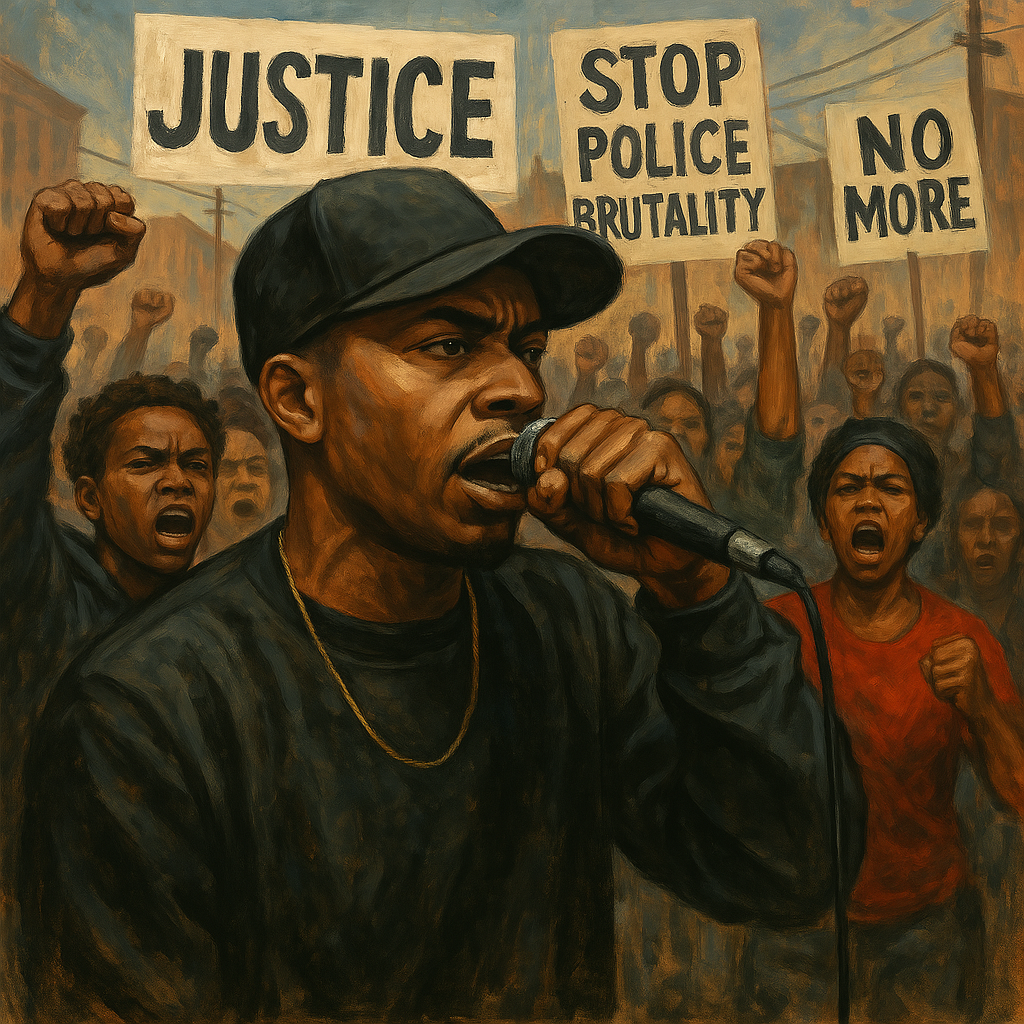
Hip-hop’s origins trace back to urban spaces where creativity thrived despite socio-economic deprivation. Hip-hop culture provided underprivileged groups or communities an authoritative platform for social interpretation, political action, and demonstration. From its beginning, hip-hop has provided artists with a platform for activism to challenge systemic injustices and advocate for change. Public Enemy, a revolutionary rap group in the 1980s, used their music to address racism, police brutality, and inequality. Their anthem ‘Fight the Power’ became a rallying cry for liberation and opposition. Hip-hop’s most powerful aspect is its capacity to magnify marginalized voices and shed light on important social issues (The American News Staff, 2025). “Art is political… artists demand their audiences think through the troubling history of slavery” (Sciullo, 2018, p. 86), reflecting the parallel between hip-hop music and visual art as instruments for historical reckoning.
Hip-hop originated in the South Bronx neighborhood as a means for Black people to express themselves in a style that was uniquely their own. Appropriation occurs when an artistic invention by a specific group or community is used to anchor racist simplifications or categorizations about the original culture, but is considered great, sophisticated, or comical when the advantaged group adopts it for themselves. Azealia Banks slammed the credit disparity that falsely promotes the advantaged group’s artistic ownership rights (White label owners and artists) against the disadvantaged group's ownership rights (Black label owners and artists) (Akens, 2016).
Since its emergence, more than half a century ago, Hip-hop has become one of the most commercially successful music genres in history. Hip-hop has become big business, influencing fashion, marketing and advertising, film and television, gaming, sports, technology, and consumer industries. Jay-Z summed it best in his lyrics 'I’m not a businessman, I am a business, man”, to capture the genre’s transformation into a commercial juggernaut. But, behind these achievements is a storied history of seemingly ' successful’ artists battling record labels over exploitative contracts that only benefit the corporations, leaving the artists perpetually destitute.
In the music industry, AI tools are machine learning models used to create different musical arrangements and associations based on the information used to teach them. AI learns the features and musical arrangements that audiophiles are expected to find irresistible and engaging. AI can then produce new music by unpredictably combining different musical elements from the information fed to it, in this case, the melodies, notes, vocals of a specific artist(s), composer(s), songwriter(s), or musicians’ productions. AI has given amateurs and professional musicians a conduit for producing professional music at a nominal cost. Additionally, it has given emerging musicians access to professional mastering techniques that previously were out of reach due to associated costs.
The Afrobeat genre emerged around the 1960s and 1970s. Its prominence in Nigeria is credited to eclectic musician Fela Kuti. Afrobeat combines traditional African rhythms with jazz, funk, and highlife. It is deeply rooted in African tradition and is a platform for social and political expression, addressing issues like colonialism, corruption, and inequality. Western African traditional rhythms and indigenous instruments like the djembe and shekere provided Afrobeat with its complex rhythms. Modern elements were introduced through colonial cultural exchanges and African migration, creating more worldly sounds that amalgamate European and American genres.